Still Swollen Months After Your Knee or Hip Replacement? Here’s What Normal Looks Like
August 2026
Swelling is the symptom that worries people most after a joint replacement, and it is easy to see why. Pain and stiffness are to be expected. But a leg that is visibly puffed up, sometimes right down to the ankle and toes, months after an operation that was supposed to be behind you, can feel like something has gone wrong.
In the vast majority of cases, it hasn’t. Swelling after a knee or hip replacement lasts considerably longer than most people are led to expect, and understanding the normal pattern takes much of the anxiety out of the equation.
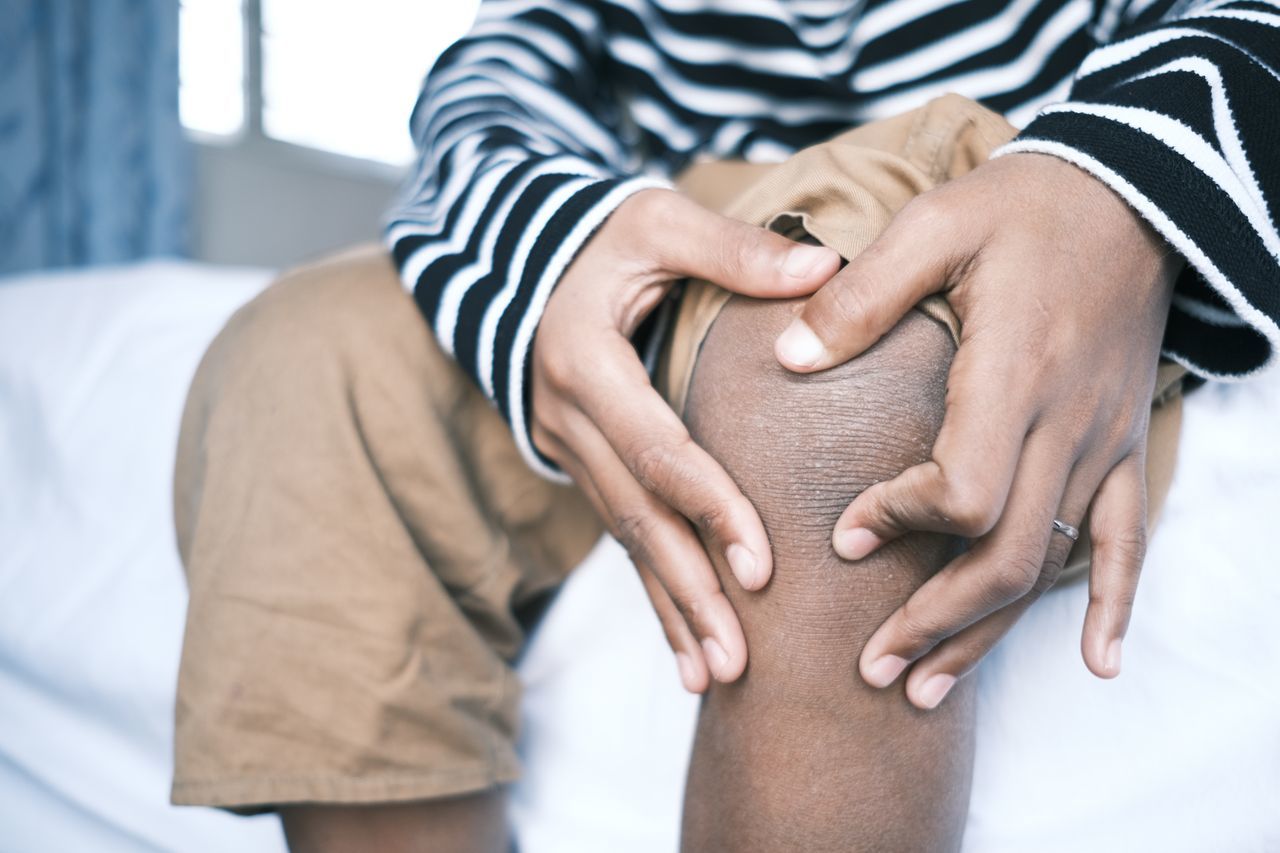
The post-op timeline no one really prepares you for
Swelling peaks early, usually at around days two to five, when the knee or leg can look genuinely alarming. That is the body’s natural inflammatory response doing its job, rather than any sign of complications.
From then on, the pattern is a long, gradual fade:
Weeks 1 to 6: the obvious swelling steadily settles as you move more, and the early inflammation subsides.
Months 2 to 6: residual puffiness slowly resolves. The operated leg may still look slightly larger than the other, and mild end-of-day swelling is common.
Up to 12 months: occasional swelling after longer walks, stairs or a busy day can still appear, and is still normal.
After a hip replacement in particular, people are often surprised to find that the swelling appears in the thigh, calf or ankle rather than the hip itself. That’s simply a case of gravity: fluid drains downwards, so it pools well below the site of the surgery.
Why it flares up just when you thought you were winning
The most common source of alarm is the flare-up. You have a good week, walk further than usual, and then the leg puffs up again. It feels like a setback and a sign you might have damaged something.
You almost certainly haven’t. Swelling responds to activity and to gravity, which is why it is typically at its best first thing in the morning and worst by the evening. A physiotherapy session or a longer walk can also trigger a temporary increase that settles over the following day or two. This is a normal tissue response, not an injury, and it is definitely not a reason to abandon your post-op exercises.
The useful question here is not "Is it swollen today?" but "Is the overall trend improving over weeks and months?" Fluctuation within an improving trend is what real recovery looks like.
When swelling does need checking
There are some exceptions, and they are worth knowing. It’s important to seek medical advice if you notice:
- Swelling that increases sharply day on day, rather than fluctuating
- Swelling with spreading redness, heat, fever or discharge from the wound
- New pain, tightness or tenderness in the calf, especially on one side
- Breathlessness or chest pain
These can point to infection or a blood clot, both of which need prompt attention. With either, it is always better to ring 111 and be reassured than to wait and wonder.
How TECAR therapy can help
The basics remain the basics, and they work: elevation with the ankle propped above hip height, ice after activity, compression if it has been recommended to you, gentle ankle raises to help the calf act as a pump, and continuing to move regularly rather than sitting still for long stretches.
This is also where TECAR therapy has a natural role to play. Reducing swelling is one of the things that TECAR is genuinely well suited to: the deep warmth it produces increases local circulation, which supports the drainage of the fluid that has pooled around the joint. For a knee or hip that keeps puffing up and stiffening, this has a practical knock-on effect, because swelling is not just uncomfortable to look at. It mechanically limits how far a joint will bend and it inhibits the muscles around it, so bringing it down tends to make both movement and strengthening work easier.
As with everything else in recovery, TECAR works alongside the elevation, movement and physio exercises rather than instead of them.
If your recovery is being held up by a joint that keeps swelling and stiffening, book an appointment or get in touch. We can look at what is driving it and whether TECAR therapy has a part to play alongside your rehabilitation.
Related reading
TECAR therapy: how it works and what we treat – the full picture of the treatment and the conditions it suits.
Getting your knee to bend again after a replacement – if swelling is holding back your range of movement.
Why some joints still hurt after a replacement – when pain persists long after the operation.
This article is for general information and is not a substitute for individual clinical assessment. Any sudden or worsening swelling after surgery should be reviewed promptly by your surgical team or GP.