Getting Your Knee to Bend After a Knee Replacement
August 2026
Ask anyone recovering from a knee replacement what preoccupies them, and it is rarely the scar or even the pain. It is getting the knee to bend again. How far the knee will go, whether it is going far enough, and whether the stiffness they are feeling this week is normal or the start of a problem.
It’s a reasonable thing to fixate on, because unlike most of your recovery, range of movement is the one part where timing genuinely matters.
What the figures actually mean
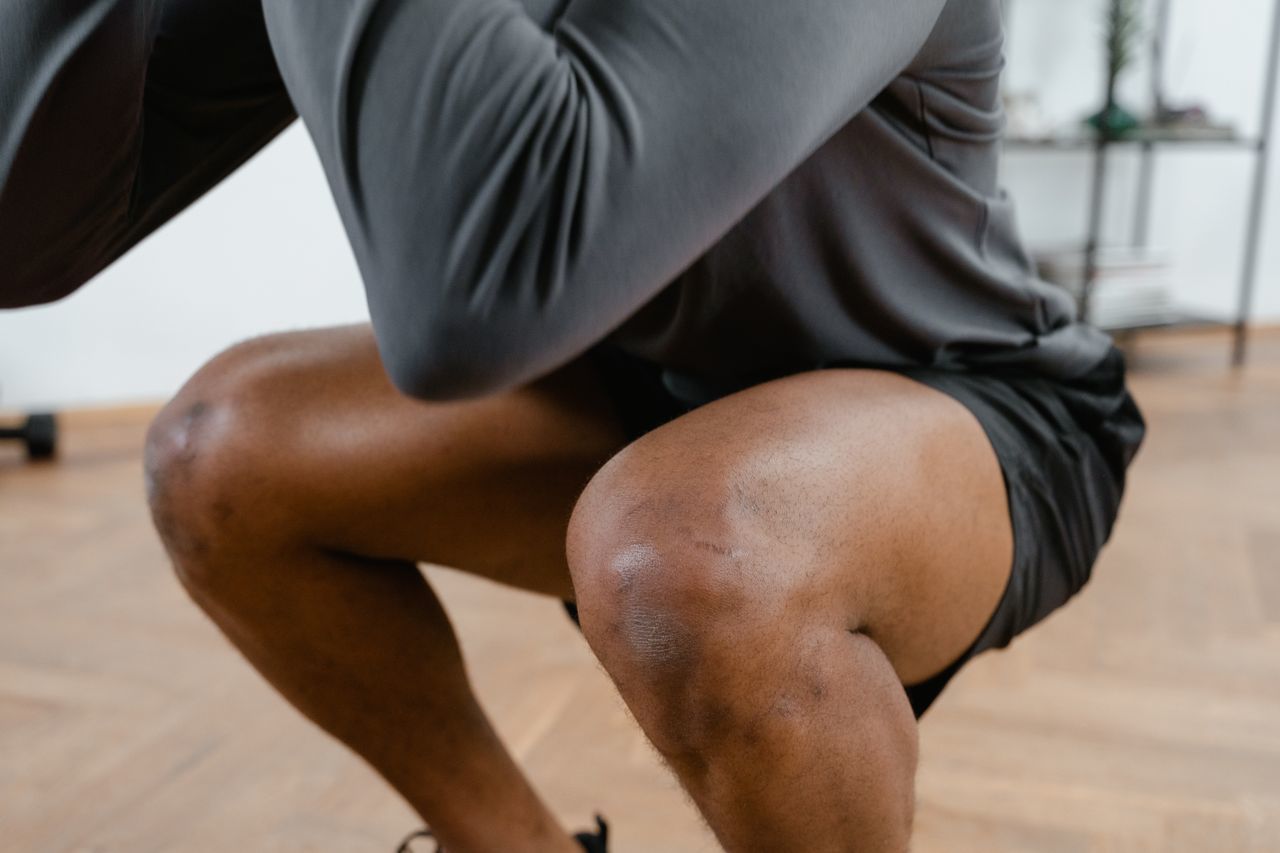
Range of movement is measured in degrees, and two figures are important. Extension is how straight your knee will go, where zero degrees means completely straight. Flexion is how far the knee bends.
For flexion, it helps to know what each set of degrees gets you in real life:
- Roughly 60 to 65 degrees to walk normally
- Around 90 degrees to sit comfortably and get in and out of a car
- Around 100 to 110 degrees to manage stairs properly
- 120 degrees and beyond for things like kneeling, squatting and getting up from low chairs
Most people end up at 115 to 125 degrees of flexion. Full extension matters just as much and is easy to neglect: without a properly straight knee, you’ll end up walking with a limp and loading everything else awkwardly.
The typical timeline, and why the early weeks count
Broadly speaking, the milestones follow this pattern:
- Around 90 degrees of bend by the end of the first week or so, aiming for full extension at the same time.
- Roughly 100 degrees by two to three weeks, and 110 to 120 by the six-week mark.
- Most of the meaningful gains happen in the first three months, after which range of movement tends to plateau at whatever level you have reached.
The plateau is significant. Recovery from a knee replacement is mostly a marathon, so patience will serve you well. Range of movement is the exception: it is the one element with a genuine early window. The reason for this is scar tissue. As the knee heals, it lays down new tissue around the joint, and that tissue takes its cue from how the knee is being used. A knee that is regularly moved through its range heals into a mobile joint, but a knee that is held still heals more tightly.
This is why physiotherapists can seem obsessive about bending the knee in those early weeks after surgery. Stiffness that sets in is far harder to undo later than it is to prevent now.
Know your own numbers
Ask your physiotherapist how many degrees you have at each appointment, and keep track of your progress. Plenty of people go weeks assuming things are fine because the knee feels roughly the same, only to discover that they have stalled. Knowing your figures tells you whether you are progressing, and allows you and your physiotherapist to act early if you’re not.
Where TECAR therapy fits in
The obstacle to gaining bend in the knee is usually not willpower. It is that the knee is swollen, sore and tight, and every attempt to push it into range is met with resistance and discomfort. That is exactly the gap that TECAR therapy is useful for.
As explained on our TECAR therapy page, it uses radio-frequency energy to create deep, gentle warmth in the tissue. Applied to a stiff, post-surgical knee, the warmth helps make tight soft tissue more pliable and eases pain before and during mobility work, meaning that stretching and hands-on treatment can achieve more in each session. TECAR also supports circulation, which helps with the swelling that mechanically blocks the knee from bending in the first place.
TECAR does not create range of movement. Movement creates range of movement. What TECAR does is make the joint more receptive to the work, so each session goes further and hurts less, and this is key precisely during the window when gains are still possible.
Do not settle for a stiff knee
If your knee feels like it has stopped progressing, it is worth acting now rather than waiting it out, particularly in the first few months.
Book an appointment or get in touch, and we can measure where you actually are, work out what is limiting you, and put together a plan to get the bend functioning again.
Related reading
TECAR therapy: how it works and what we treat – the full picture of the treatment and the conditions it suits.
How long should the swelling last? – swelling is one of the main things that physically blocks a knee from bending.
Why some joints still hurt after a replacement – if pain rather than stiffness is your main obstacle.
This article is for general information and is not a substitute for individual clinical assessment. Range of movement targets vary between individuals and surgical teams, so always follow the specific guidance given by your own surgeon and physiotherapist.