
What Does Good Pelvic Health Actually Mean?
June 2026
When the pelvic floor is working well, you rarely think about it. When it is not, you might notice leaking, urgency, constipation, pelvic pain, or changes in sexual function. These are very common; they are not a sign that your body is failing, and they are completely treatable by pelvic health physiotherapist.
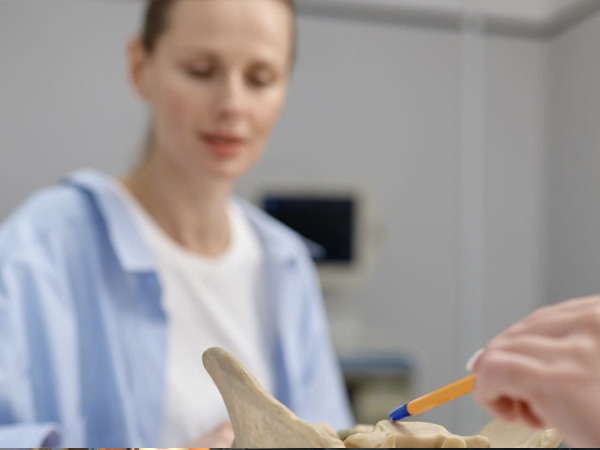
Healthy pelvic function means you can:
- Has control over passing urine, wind and stools
- Empty your bladder and bowel fully and comfortably
- Have pain-free, enjoyable sexual activity
- Stand, walk, bend and lift without heaviness or dragging in the pelvis
- Support your spine and hips with a responsive core, including the pelvic floor
Why pelvic health matters for your overall wellbeing
Pelvic problems can affect how you exercise, socialise, work and rest. Feeling worried about leaking or pain can lead you to plan every outing around toilets, avoid travel or intimacy, or cut back on activities you enjoy. It is easy to feel isolated or embarrassed, especially in the UK where many people feel uncomfortable talking about bladder, bowel or sexual health.
You deserve to know that this is normal to experience and valid to address.
Looking after your pelvic health supports your confidence, sleep, mood and relationships. With the right assessment and guidance, most of the problems are not only treatable but also preventable. Most of the issues improve with targeted pelvic floor physiotherapy and simple lifestyle changes.
If you would like to learn more about how specialist physiotherapists can help, you can explore our dedicated pelvic floor physiotherapy for men and women services, run by our in-house expert Jency Sudha.
Common pelvic health conditions affecting men and women
Pelvic floor dysfunction can involve muscles that are too weak, too tight or poorly coordinated. Pelvic health problems are very common, in both men and women, at many stages of life. You might feel like you are the only one dealing with leaks, urgency or pain. You are not. Nearly 60% of women and 35% of men are suffering from one of the pelvic health symptoms. These conditions are familiar to pelvic health clinicians, and there is usually something practical that can be done.
Urinary incontinence
Urinary incontinence refers to any leaking of urine that you cannot fully control. You might notice:
- Leakage when you cough, sneeze, laugh, lift or exercise
- Strong, sudden urges to pass urine that are hard to hold back
- Frequent visits to the toilet, including at night
- A feeling that you never fully empty your bladder
Any of the above can affect what you choose to wear, where you go and how confident you feel at work, in the gym or in social settings. Many people start planning their day around toilet access or avoiding longer journey. It can also affect intimacy if you worry about leaking with arousal or orgasm.
Pelvic organ prolapse (women)
Pelvic organ prolapse happens when the support for the bladder, uterus or bowel is reduced and one or more of these organs descends into the vaginal space. Common sensations include:
- Heaviness, dragging or a ‘bulge’ in the vagina
- Discomfort after standing, lifting or by the end of the day
- Difficulty emptying the bladder or bowel comfortably
Many women worry that prolapse means that they must stop exercise or that sex will always be painful. With the right advice, most can stay active and sexually comfortable, often with targeted pelvic floor work and tailored lifestyle adjustments.
Pelvic pain
Pelvic pain can feel sharp, aching, burning or cramping. It might be felt in the lower abdomen, deep in the pelvis, around the genitals, the tailbone or inner thighs. You may notice:
- Pain with sitting, standing, or certain movements
- Pain with intercourse or arousal
- Bladder or bowel discomfort with no clear infection
Persistent pain often affects sleep, concentration and mood. People may start avoiding intimacy or social plans because they cannot predict how their body will feel.
Male pelvic floor dysfunction
For men, pelvic floor dysfunction can involve muscles that are too weak, too tight or poorly coordinated. Symptoms may include:
- Urinary leakage or urgency
- Post-void dribbling, when a few drops escape after you think you have finished
- Discomfort in the penis, testicles, groin or perineum
- Changes in erections or ejaculation, such as pain or reduced control
These problems can feel very private, and many men delay seeking help. It is important to know that pelvic health clinicians assess and treat these symptoms regularly, in a respectful and discreet way.
Pelvic symptoms affect mental health too. Worry, embarrassment, low mood and strain on relationships are all understandable aspects of pelvic health. Reaching out to a pelvic health specialist is a practical, proactive step, not a sign of weakness.
If you feel ready to talk to a clinician, you can use our online booking to arrange a confidential consultation. You can also send private messages to Jency via WhatsApp.
When to seek help at a private pelvic health clinic
Many people wait a long time before speaking to a clinician about bladder, bowel, prolapse or pelvic pain symptoms. They hope it will settle, feel embarrassed to raise it with their GP, or worry that they will be told nothing can be done.
If your symptoms are affecting your day, your sleep, your exercise or your relationships, it’s a clear sign that it is reasonable to seek specialist help.
Signs it is time to talk to a pelvic health specialist
You may benefit from a private pelvic health assessment if you notice any of the following on a regular basis:
- Leaking urine, even small amounts, during daily activities
- Strong urgency to reach the toilet or needing to ‘go just in case’ very often
- Constipation, straining, or feeling that your bowel does not empty fully
- Pelvic pressure, heaviness, or a vaginal bulge sensation
- Pain in the pelvis, genitals, perineum or lower back that feels linked to movement, bladder, bowel or sexual activity
- Changes in sexual comfort or function that worry you
If you find yourself planning your day around toilets, avoiding intimacy, or changing how you move because of symptoms, it is already ‘serious enough’ to ask for help.
Why choose a private clinic for pelvic health in the UK
Private physiotherapy pelvic health services offer some specific advantages that many people value:
- Quicker access to care. Private clinics can often offer appointments within a shorter timeframe. This can reduce the stress of waiting and allows treatment plans to start sooner.
- Longer appointments and continuity. Our pelvic health sessions are structured to give enough time for a detailed conversation, a thorough assessment and plenty of space for questions. You will always see the same clinician, which builds trust and understanding.
- Privacy and discretion. Consultations take place in a private room, with a clinician who is used to discussing sensitive topics calmly and without judgement. You stay in control of what is examined and when.
- Personalised treatment plans. A private pelvic health specialist can tailor your plan to your specific goals, for example returning to a particular sport, managing symptoms around a demanding job, or working with other health conditions.
You do not need a specific referral phrase or a certain level of severity to be ‘allowed’ to seek help. If something about your pelvic health does not feel right to you, that is enough.
If you would like to speak to our team in confidence before booking, you can reach us through our contact page or on WhatsApp, or you can learn more about our in-house specialist Jency Sudha on our team page.