Exploring Pelvic Health Options for Women and Men
April 2026
Pelvic health is all about how well the structures in the lower part of your abdomen are working together. When people talk about the pelvic floor, they usually mean the group of muscles, ligaments and connective tissues that form a supportive ‘hammock’ at the base of your pelvis. These tissues support important organs and help control some of the most personal functions in daily life.
For women, the pelvic cavity contains the bladder, uterus, vagina, and the bowel. For men, it contains the bladder, prostate, urethra and bowel. In both, the pelvic floor muscles wrap around the openings of the bladder and bowel, and in women, the vaginal opening too. These muscles, along with the surrounding nerves and joints, help you stay continent, have comfortable sexual activity and move without pain.
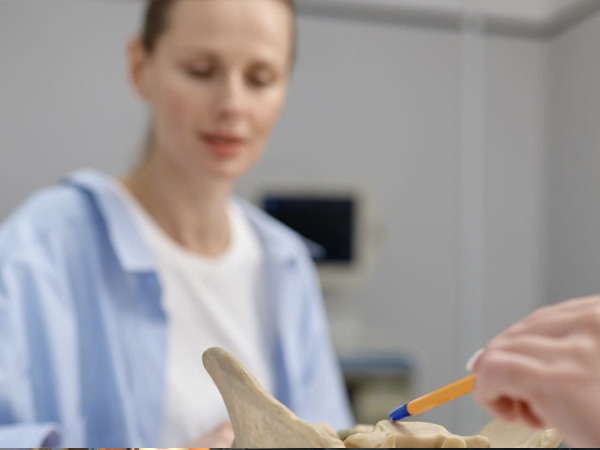
Diagnostic approaches and assessments in pelvic health clinics
Walking into a pelvic health clinic for the first time can feel daunting. Knowing what to expect helps reduce that anxiety. Your assessment is structured, respectful and focused on understanding your symptoms, not judging your body.
Your initial conversation
The appointment usually begins with a detailed chat with your clinician in a private room. Jency will ask you about:
- Bladder habits, such as how often you go and whether you leak or rush
- Bowel patterns, including constipation, straining or urgency
- Any feelings of heaviness, bulging or dragging in the pelvis
- Pain in the pelvis, lower back, tummy or genital area
- Sexual comfort and function, if you feel comfortable discussing this
- Medical history, surgeries, childbirth, prostate or gynaecological issues
- Your goals, for example running, lifting confidently, or enjoying intimacy again
You are always in control of how much you share. You can ask to pause, skip questions or return to a topic later.
Questionnaires and symptom tracking
Jency will use a structured questionnaire to build a clear picture of your symptoms. The questions might focus on urinary leakage, bowel function, pain or impact on daily life. They help your clinician track changes over time and tailor your plan. Sometimes bladder or bowel diaries may be suggested, where you note fluid intake, toilet visits and symptoms over a set period.
Physical and pelvic floor assessment
A physical examination helps link what you feel to what your muscles and joints are doing. This might include:
- Posture and movement checks, such as how you stand, bend or squat
- Abdominal and lower back assessment
- External pelvic floor checks around the perineum or lower tummy
With your clear consent, an internal pelvic floor examination may be offered. For women, this can involve a gentle vaginal assessment. For men, this may involve an examination around the perineum and sometimes the rectum. The purpose is to assess strength, tension, coordination and any areas of tenderness. You can decline or stop at any time, and your clinician will explain each step before it happens.
Imaging and onward referral
In some situations, your clinician may suggest imaging, such as ultrasound or other scans, or recommend discussion with your GP or a specialist doctor. Private clinics often work alongside wider medical teams, which helps ensure your pelvic health care links smoothly with any other treatment you receive.
If you would like to understand how physiotherapy fits within your broader care, you can read more about our approach on our physiotherapy services page.
Treatment options available for pelvic health conditions
Pelvic health treatment at our clinic is not a one-size-fits-all package. Your plan is built around your specific symptoms, medical history and goals, whether that is running without leaks, sitting without pain, or feeling more confident during intimacy.
Pelvic floor physiotherapy
Pelvic floor physiotherapy is often the core of treatment. It usually includes:
- Teaching you how to correctly contract and relax the pelvic floor, not just ‘squeeze’
- Targeted strengthening work for weakness or prolapse-related symptoms
- Release-and-down training techniques for muscles that are too tight or overactive
- Breathing and posture strategies to reduce pressure on the pelvis
- Progressive exercise plans that match your lifestyle and fitness level
Your clinician will guide you through what to do, how often and how to know you are doing it effectively. You should always feel clear about what your home programme involves.
Minimally invasive procedures and medical input
Some people benefit from medical options alongside physiotherapy. In a private setting, your clinician can help coordinate this. Possible options may include:
- Pessary fitting for pelvic organ prolapse, offered by appropriately trained clinicians or medical teams
- Bladder- or prostate-focused procedures for certain types of incontinence or retention
- Pain management interventions suggested by a specialist doctor when persistent pain is a major feature
Your physiotherapist will explain when these options might be relevant and can liaise with your GP or specialist so your care feels joined up, not fragmented.
Lifestyle modifications
Simple, realistic changes often make a noticeable difference. These can include:
- Bladder training plans, so you are not constantly ‘going just in case’
- Bowel habit coaching, including optimal positions and routines that reduce straining
- Guidance around fluid intake, caffeine and alcohol patterns
- Exercise and activity advice, such as how to lift, cough or return to sport with less strain on the pelvic floor
Your clinician will work with what is practical for your life,do not expect perfection. Small, consistent adjustments usually work better than drastic rules.
Supportive therapies and ongoing care
Depending on your needs, your plan may also include soft tissue work, relaxation strategies and graded strengthening for the hips, back and abdomen. These aim to support the whole pelvic region, not only the pelvic floor muscles.
Your treatment should always feel collaborative. A good pelvic health plan is explained in clear language, adapted over time and aligned with what matters most to you. You do not have to fit a template. The care should fit you.
Self-care and lifestyle tips to support your pelvic health
You cannot control everything about your pelvic health, but there is a lot you can do at home that genuinely helps. These are not about perfection or strict rules. They are small, realistic habits that support the work you do with your pelvic health clinician.
1. Pelvic floor awareness and daily practice
Learn your ‘lift and let go’. A good pelvic floor exercise includes a gentle lift, then a full, relaxed release.
- Start in a comfortable position, such as lying or sitting.
- Breathe in, then as you breathe out, gently squeeze and lift around the back passage and, if relevant, the vagina or base of the penis.
- Hold for a few seconds if you can, then fully let go and rest before the next one.
If you notice gripping, holding your breath or pain, this is a sign you may need more focus on relaxation work. Your physiotherapist can check your technique and give you a clear programme. If you already see our team, you can review this together or book a session through our main clinic page.
2. Bowel habits that are kind to your pelvic floor
Straining on the toilet increases pressure on the pelvic floor. To make bowel movements easier, try this framework:
- Position. Sit with feet supported, knees slightly higher than hips, and lean forward a little.
- Breathing. Take calm breaths and avoid holding your breath while you push.
- Rhythm. Respond to natural urges rather than ignoring them for long periods where possible.
If constipation or very loose stools are common for you, a pelvic health clinician can guide you on routines and referral routes that suit your situation.
3. Bladder-friendly fluid and toilet habits
Your bladder prefers a steady, sensible fluid intake and calm toilet habits.
- Spread drinks evenly through the day rather than large amounts at once.
- Limit frequent ‘just in case’ visits if they are becoming a habit.
- Take your time when you pass urine, and try not to push or strain.
If urgency or frequent trips to the toilet are worrying you, bladder training strategies agreed with a clinician can often help you regain confidence.
4. Movement, posture and general activity
The pelvic floor works with your deep abdominal, back and hip muscles. Gentle, regular movement supports this system.
- Choose low-impact activity that feels manageable, for example walking or cycling, then build up gradually.
- Use your breath when lifting. Exhale as you lift and avoid holding your breath.
- Vary your posture throughout the day instead of forcing a rigid ‘perfect’ posture.
If pain or joint problems limit, our physiotherapist with experience in back and hip conditions, can help you adapt activity safely.
5. Gentle self-compassion
You are not failing if you have symptoms. Pelvic health problems are common, and progress often comes in small steps. Notice what feels a little easier, keep expectations realistic and reach out for guidance when you feel stuck. Self-care works best as a partnership with clinical support, not as something you have to manage alone.
What to expect during and after pelvic health treatment
Starting treatment for a pelvic health problem can feel very personal. Knowing what the journey usually involves can take a lot of the fear out of it. You stay in control throughout, and your clinician will keep checking in with you as you go.
Your treatment sessions
Most private pelvic health plans involve a series of appointments rather than a single visit. In each session you can expect:
- A brief catch-up on your symptoms since the last appointment
- A review of any exercises or strategies you have been using at home
- Hands-on treatment or guided exercises where helpful
- Time to ask questions and adjust your programme
As you progress, sessions often move from symptom relief towards building long term strength, confidence and self-management. Your clinician will explain why they are recommending each step so that the plan makes sense, not just as a list of tasks.
Recovery time and progress expectations
Pelvic health conditions rarely change overnight. It is more common to see steady, step-by-step improvement. You may notice small changes first, for example fewer leaks in some situations or less heaviness by the end of the day. There may be quieter weeks and more challenging weeks. This is normal, not a sign that you are doing anything wrong.
Your clinician will agree realistic review points with you, for example after a set number of sessions, and help you recognise progress that you might overlook yourself. If something is not improving as expected, the plan can be adjusted or other options can be explored.
Follow-up care and reviews
Once their main block of treatment finishes, many people benefit from occasional review appointments. These sessions can:
- Check pelvic floor technique and update exercises as you get stronger
- Support you through life changes that affect the pelvis, such as new sports or changes in work demands
- Address any early warning signs before they build back up
Staying supported for the long term
Good pelvic health care does not end when the initial problem settles. You will usually leave with a clear plan that might include:
- A personalised pelvic floor and core exercise routine
- Bladder and bowel habits that suit your body
- Guidance on how to pace activity and return to or maintain sport
- Agreed steps to take if symptoms flare up again
You are not expected to remember everything perfectly. Many people keep a simple written or digital checklist of their key habits, so that pelvic health becomes part of everyday self-care, not a full-time job.
If questions come up between appointments, you can contact the clinic to clarify practical points or arrange another review. You can learn more about how we support this through our clinic FAQs. Reaching out early when something changes is a sign that you are taking your health seriously, not that you have gone backwards.